
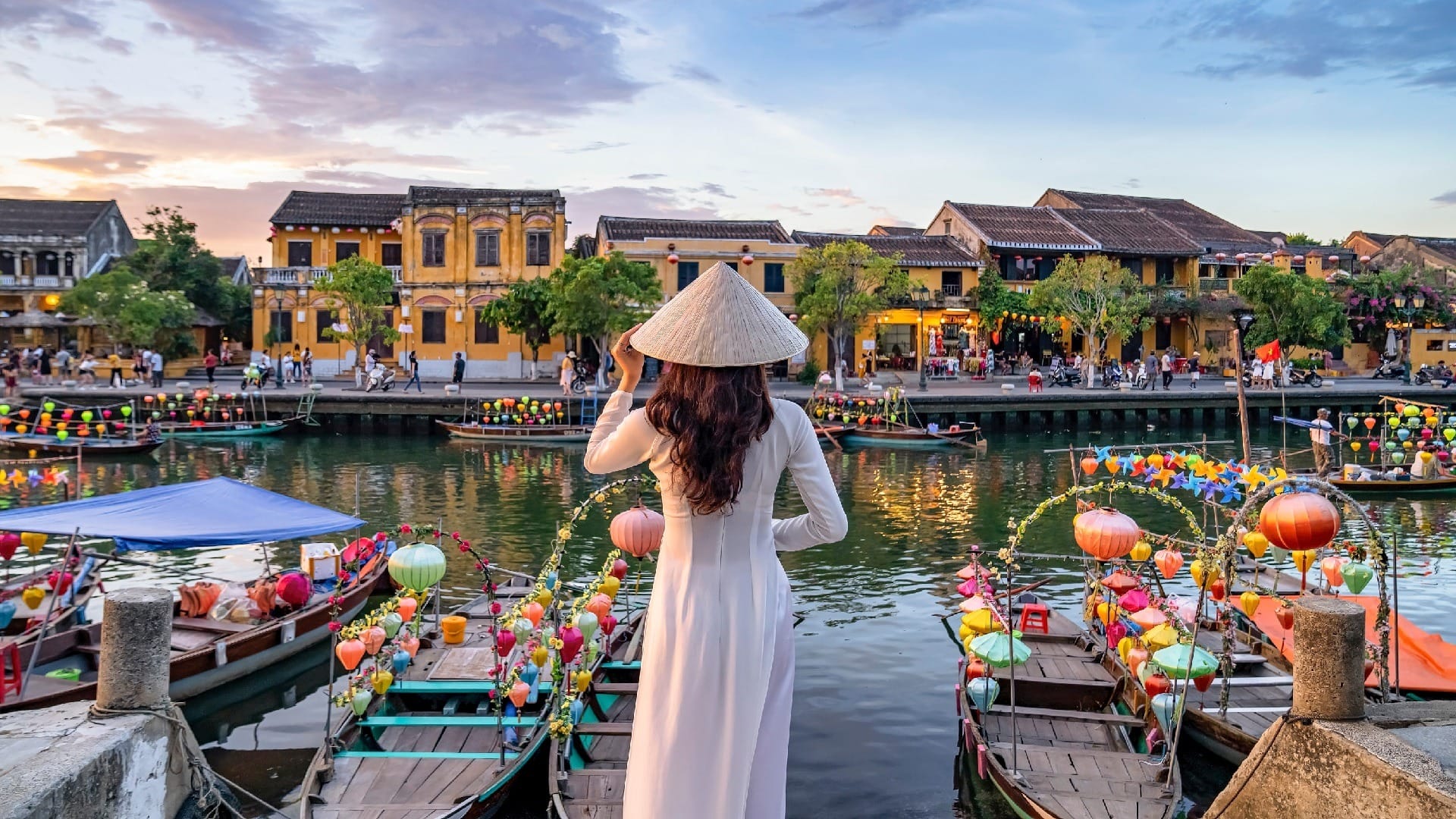
Nestled along the central coast of Vietnam, Hoi An is a captivating town that enchants visitors with its lantern-lit streets, ancient architecture, and rich cultural tapestry. Recognized as a UNESCO World Heritage Site, Hoi An is more than just a picturesque destination—it’s a living museum that tells the story of centuries of trade, cultural exchange, and resilience. For tourists seeking to uncover the layers of history behind this charming town, understanding Hoi An’s journey from a bustling international port to a preserved heritage gem offers a deeper appreciation of its unique allure. In this detailed guide, we’ll explore the fascinating history of Hoi An, tracing its origins, its golden age as a trading hub, and its transformation into one of Vietnam’s most treasured cultural landmarks.
The Early Beginnings of Hoi An
The history of Hoi An dates back over 2,000 years, with evidence of human settlement in the region as early as the 2nd century BC. The area, originally inhabited by the indigenous Cham people, was part of the powerful Champa Kingdom, which dominated central and southern Vietnam from the 2nd to the 17th centuries. The Cham were skilled seafarers and traders, and their presence laid the foundation for Hoi An’s future as a maritime center. Archaeological findings, including ancient wells and artifacts, suggest that the region was a vital link in early trade routes connecting Southeast Asia with China and India.
By the 15th century, the town—then known as Faifo to Western traders—began to emerge as a significant port along the Thu Bon River. Its strategic location near the South China Sea made it an ideal stop for merchants traveling between East and West. The name “Hoi An,” which translates to “peaceful meeting place,” reflects its role as a melting pot where diverse cultures converged. During this period, the town started to flourish under the Nguyen Lords, who encouraged trade and development in the region, setting the stage for Hoi An’s golden era.
The Golden Age: Hoi An as a Bustling Trading Port (16th-18th Centuries)
Hoi An reached the height of its prominence between the 16th and 18th centuries, becoming one of Southeast Asia’s most important trading ports. During this time, the town was a vibrant hub for international commerce, attracting merchants from China, Japan, India, Persia, and Europe. Ships laden with silk, porcelain, spices, and other goods docked at Hoi An, turning it into a bustling marketplace where cultures and ideas intermingled. The town’s prosperity was fueled by its position on the “Silk Road of the Sea,” a critical trade route linking Asia with the Middle East and beyond.
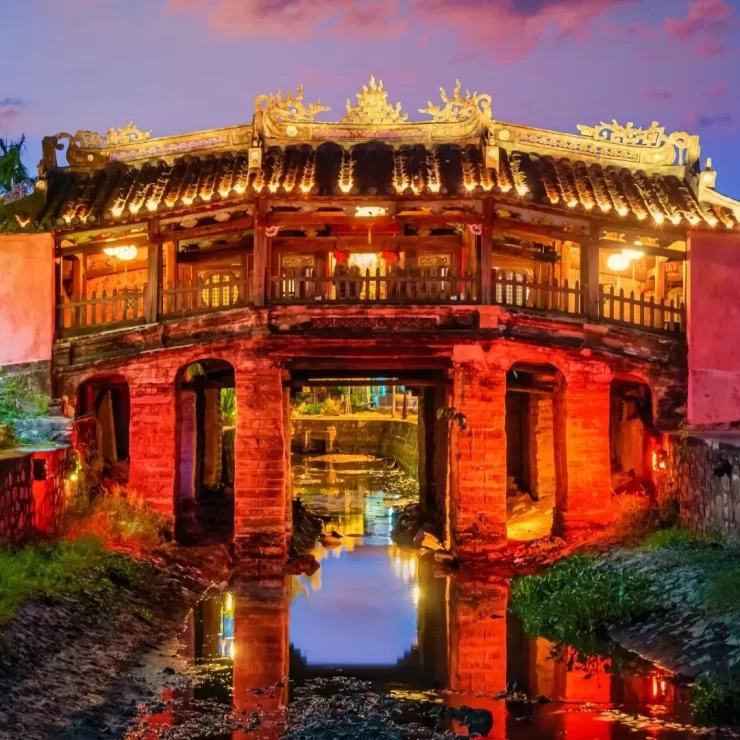
The influence of foreign traders is still evident in Hoi An’s architecture and cultural heritage. Chinese merchants, who settled in large numbers, built communal assembly halls and temples, many of which stand today as iconic landmarks. The Japanese, too, left their mark with structures like the famous Japanese Covered Bridge, constructed in the 1590s as a symbol of friendship and connection between the two communities. European powers, including the Portuguese, Dutch, and French, also established trading posts, introducing new architectural styles and goods to the region.
Hoi An’s prosperity during this period wasn’t just economic—it was a cultural renaissance. The town became a center for craftsmanship, with artisans producing intricate pottery, textiles, and woodwork. Local cuisine also evolved, blending Vietnamese flavors with Chinese, Japanese, and French influences, resulting in dishes like Cao Lầu and Bánh Mì that remain Hoi An specialties today. However, by the late 18th century, the town’s fortunes began to wane as the Thu Bon River started to silt up, making it difficult for large ships to navigate. The rise of nearby Da Nang as a modern port further diminished Hoi An’s role in international trade.
Decline and Rediscovery (19th-20th Centuries)
By the 19th century, Hoi An had faded from its former glory as a trading powerhouse. The silting of the river and the shift of trade to other ports led to a significant decline in economic activity. Many foreign merchants left, and the town became a quiet backwater, largely overlooked during Vietnam’s colonial period under French rule. While this decline was economically devastating, it inadvertently preserved Hoi An’s historic character. Unlike other Vietnamese cities that underwent rapid modernization, Hoi An remained untouched by industrial development, retaining its ancient streets, traditional wooden houses, and cultural practices.
During the 20th century, Hoi An faced further challenges, including the devastation of the Vietnam War. Though the town was spared from direct bombing, the conflict disrupted daily life and tourism. However, in the post-war era, Hoi An began to attract attention from historians, architects, and cultural preservationists who recognized its historical significance. Efforts to restore and protect the town’s heritage gained momentum in the 1980s and 1990s, driven by both local authorities and international organizations. These initiatives focused on preserving the ancient town’s original layout, repairing centuries-old buildings, and promoting sustainable tourism.
UNESCO World Heritage Recognition (1999)
A pivotal moment in Hoi An’s modern history came in 1999 when it was officially designated a UNESCO World Heritage Site. This recognition was granted due to the town’s exceptional preservation of traditional architecture and its role as a testament to cultural exchange in Southeast Asia. UNESCO praised Hoi An for its “outstanding material manifestation of the fusion of cultures over time,” highlighting landmarks like the Japanese Covered Bridge, Chinese assembly halls, and ancient merchant houses. The designation not only affirmed Hoi An’s global cultural value but also spurred efforts to protect its heritage from overdevelopment and environmental threats.
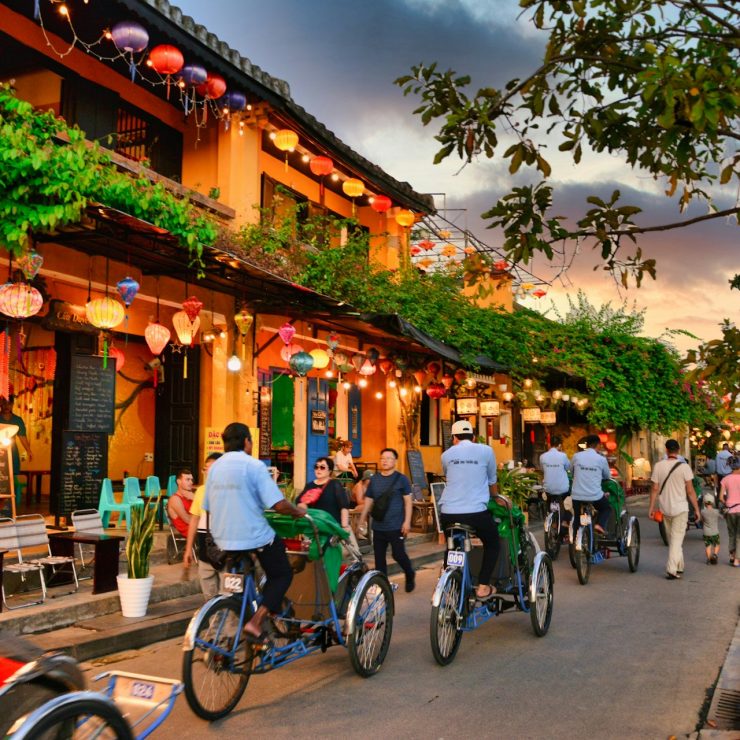
The UNESCO status transformed Hoi An into a must-visit destination for international tourists. The ancient town, with its narrow cobblestone streets and glowing lanterns, became a symbol of Vietnam’s rich history. Today, Hoi An welcomes millions of visitors annually, drawn by its timeless charm and well-preserved heritage. The local government enforces strict regulations to maintain the town’s authenticity, such as banning motorized vehicles in the ancient quarter and encouraging traditional crafts and festivals.
Hoi An Today: A Living Heritage Site
In the 21st century, Hoi An stands as a unique blend of past and present—a place where history is not just remembered but lived. Tourists can wander through streets that look much as they did centuries ago, exploring ancient temples, tailor shops, and family-run eateries. The town’s cultural festivals, such as the Full Moon Lantern Festival, offer a glimpse into traditional Vietnamese life, while its vibrant food scene reflects the same diversity that defined its trading days.
Despite its popularity, Hoi An faces challenges in balancing tourism with preservation. Overcrowding, environmental degradation, and the pressure to modernize threaten the town’s delicate heritage. However, local and international efforts continue to safeguard Hoi An, ensuring that future generations can experience its magic. For tourists, visiting Hoi An is an opportunity to step back in time while supporting sustainable travel practices that protect this irreplaceable gem.
Must-Visit Historical Sites in Hoi An
To fully appreciate Hoi An’s history, make sure to explore these iconic landmarks:
- Japanese Covered Bridge (Chùa Cầu): Built in the 1590s, this iconic bridge symbolizes the town’s multicultural past and connects the Japanese and Chinese quarters.
- Tan Ky House: A beautifully preserved 18th-century merchant house showcasing Chinese, Japanese, and Vietnamese architectural influences.
- Fujian Assembly Hall: A stunning example of Chinese architecture, built by Fujianese traders as a community center and temple.
- Hoi An Museum of History and Culture: A treasure trove of artifacts and exhibits detailing the town’s evolution over centuries.
- Ancient Town Streets: Wander through the car-free ancient quarter to soak in the atmosphere of historic shophouses and lantern-lit alleys.
Tips for Exploring Hoi An’s History
- Join a Guided Tour: Local guides offer in-depth insights into Hoi An’s history and can take you to lesser-known sites.
- Visit During Off-Peak Seasons: Avoid the crowds by traveling in the shoulder months (February-April or September-November) for a more intimate experience.
- Attend Cultural Events: Time your visit with the Full Moon Festival or other traditional celebrations to witness Hoi An’s living heritage.
- Support Local Artisans: Purchase handmade goods like lanterns, silk, and pottery to contribute to the preservation of traditional crafts.
Hoi An’s journey from a bustling port to a UNESCO World Heritage Site is a testament to its enduring cultural and historical significance. Once a thriving center of international trade, it has evolved into a sanctuary of heritage, where the echoes of ancient merchants and the vibrancy of diverse cultures still resonate in every street and building. For tourists, Hoi An offers a rare chance to walk through history, experiencing a town that has gracefully preserved its past while embracing the present. Whether you’re marveling at its ancient architecture, savoring its unique cuisine, or simply soaking in the lantern-lit ambiance, Hoi An promises a journey through time that will leave an indelible mark on your heart. Plan your visit to this extraordinary destination and uncover the stories that have shaped one of Vietnam’s most beloved treasures.


 English
 Japanese
 Korean
 Spanish
 German
 French
 Italian
 Chinese