
Nestled in the heart of Central Vietnam, Hoi An Ancient Town is a UNESCO World Heritage Site celebrated not only for its lantern-lit streets and centuries-old architecture but also for its incredibly rich and distinctive culinary heritage. More than just a feast for the eyes, Hoi An is a paradise for food lovers, offering a unique blend of Vietnamese, Chinese, and Japanese influences that have evolved over centuries of trade, migration, and cultural exchange.
While the town’s charm lies in its timeless beauty, its soul can be found in its steaming bowls of cao lầu, delicate white rose dumplings, and legendary bánh mì sandwiches—three iconic dishes that define the local cuisine. For tourists visiting this enchanting destination, tasting these specialties isn’t just a meal; it’s an essential cultural experience.
This comprehensive, SEO-friendly guide dives deep into the history, flavors, and best places to enjoy Hoi An’s most beloved local dishes—cao lầu noodles, white rose dumplings (bánh bao bánh vạc), and bánh mì Hoi An—to help you eat like a local and make the most of your culinary adventure.
🍜 1. Cao Lầu: Hoi An’s Signature Noodle Dish
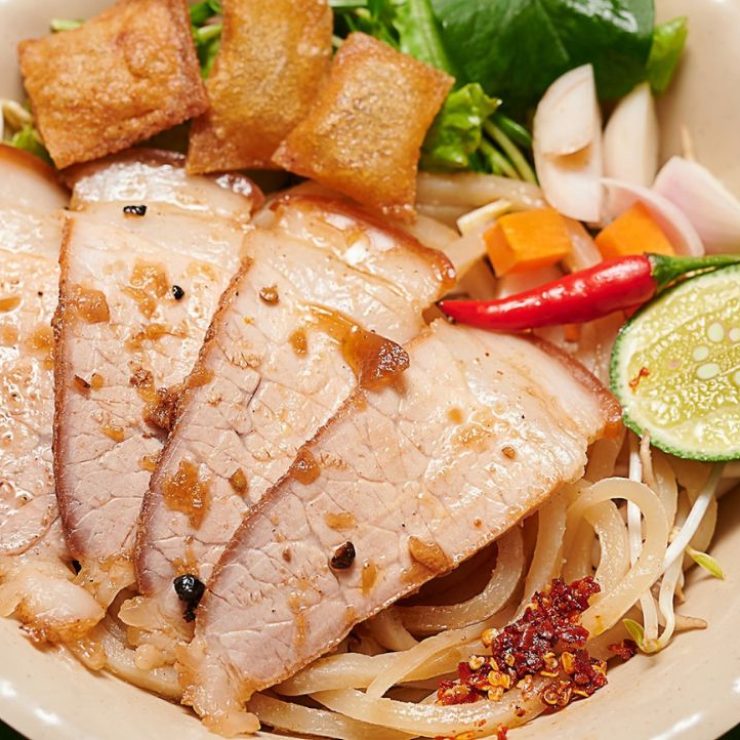
If there’s one dish that embodies the spirit of Hoi An, it’s cao lầu—a hearty, flavorful noodle dish found nowhere else in Vietnam. Unlike phở or bún, cao lầu is deeply rooted in the town’s history and geography, making it a true local treasure.
What Is Cao Lầu?
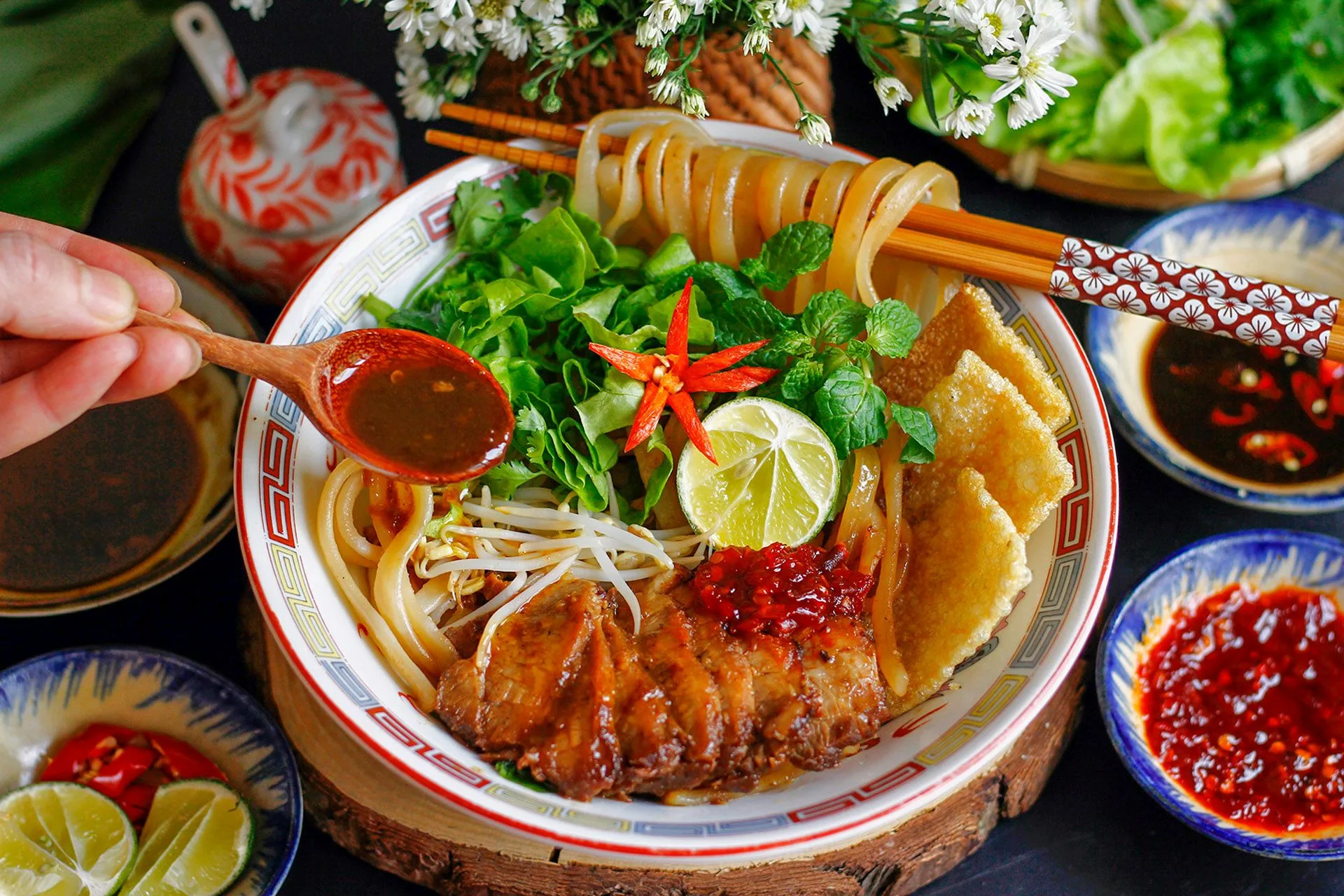
Cao lầu consists of:
- Thick, chewy rice noodles (traditionally made with water from the ancient Ba Lê well, believed to give the noodles their unique texture)
- Grilled pork (marinated and charred to perfection)
- Crunchy croutons (fried rice crackers or pork skin)
- Fresh herbs (mint, cilantro, lettuce, and bean sprouts)
- A small amount of savory broth (just enough to moisten, not to drown the noodles)
The dish is served at room temperature or slightly warm, emphasizing texture and balance over heat.
The History Behind the Dish
Cao lầu’s origins are believed to trace back to Chinese immigrants who settled in Hoi An during its 16th–17th century trading heyday. The name may derive from the Chinese word kao lou, meaning “high tower,” possibly referring to a local landmark. Over time, Vietnamese cooks adapted the recipe using local ingredients, creating a dish uniquely tied to Hoi An’s identity.
Where to Try the Best Cao Lầu
- Bà Bé Restaurant (26 Thái Phiên St.): A family-run favorite, often packed with locals and food bloggers.
- Cao Lầu Thanh (24 Thái Phiên St.): Known for its tender pork and generous portions.
- Morning Glory Restaurant (106 Nguyễn Thái Học St.): A popular spot for tourists, offering an English menu and cooking classes.
Pro Tip: Eat cao lầu for lunch when it’s freshly made. Many stalls sell out by mid-afternoon.
🌹 2. White Rose Dumplings (Bánh Bao Bánh Vạc): A Delicate Culinary Art
One of Hoi An’s most visually stunning and delicious specialties is the white rose dumpling, locally known as bánh bao bánh vạc. This delicate creation is not just food—it’s edible art, handcrafted by skilled cooks who have spent years perfecting the technique.
What Are White Rose Dumplings?
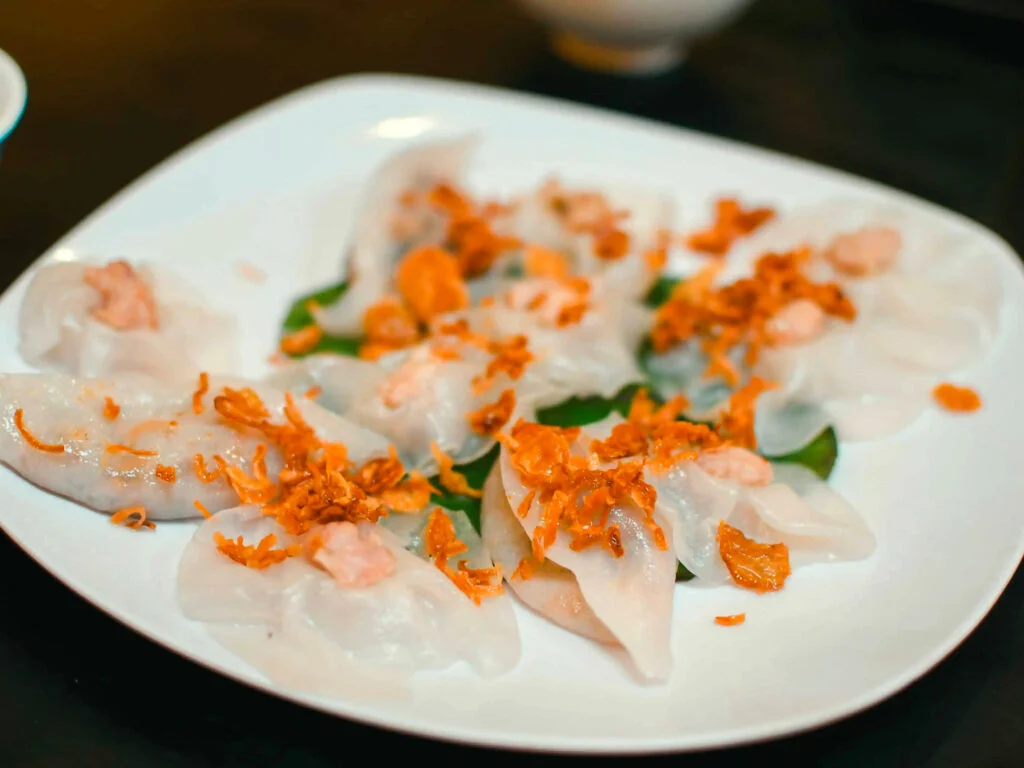
Despite the name, there’s no rose involved—only ultra-thin rice paper shaped to resemble a blooming white rose. Inside each “petal” is a shrimp filling, seasoned with garlic, pepper, and sometimes a hint of pork fat for richness.
The dumplings are:
- Steamed, not fried
- Served warm or at room temperature
- Accompanied by a sweet, tangy fish sauce (nước chấm) with chili and lime
The translucent wrapper and pinkish filling create a beautiful contrast, making this dish as photogenic as it is tasty.
The Legend & Craftsmanship
The dish is said to have been created by a young woman named Madame Bé, who wanted to impress a visiting mandarin. She crafted the dumplings to look like roses, symbolizing beauty and purity. Today, her legacy lives on in tiny kitchens across Hoi An, where cooks stretch the rice paper so thin it becomes nearly see-through.
Where to Try Authentic White Rose Dumplings
- Madame Khánh (Madame White Rose) (49 Trần Cao Vân St.): The most famous spot, run by a descendant of the original creator. Arrive early—she often sells out by noon.
- White Rose Café (533 Hai Bà Trưng St.): A dedicated restaurant offering the dumplings in various forms, including fried versions.
- Local Markets & Street Stalls: Look for elderly women hand-making them in the morning.
Insider Tip: Pair your white roses with a cold Huda beer or sugarcane juice for the full local experience.
🥖 3. Bánh Mì Hoi An: The Legendary Sandwich That Put Vietnam on the Culinary Map
While bánh mì is a national favorite, Hoi An’s version holds a special place in food history—thanks to Bánh Mì Phượng, the sandwich shop made world-famous by Anthony Bourdain and chef Gordon Ramsay.
What Makes Bánh Mì Hoi An Unique?
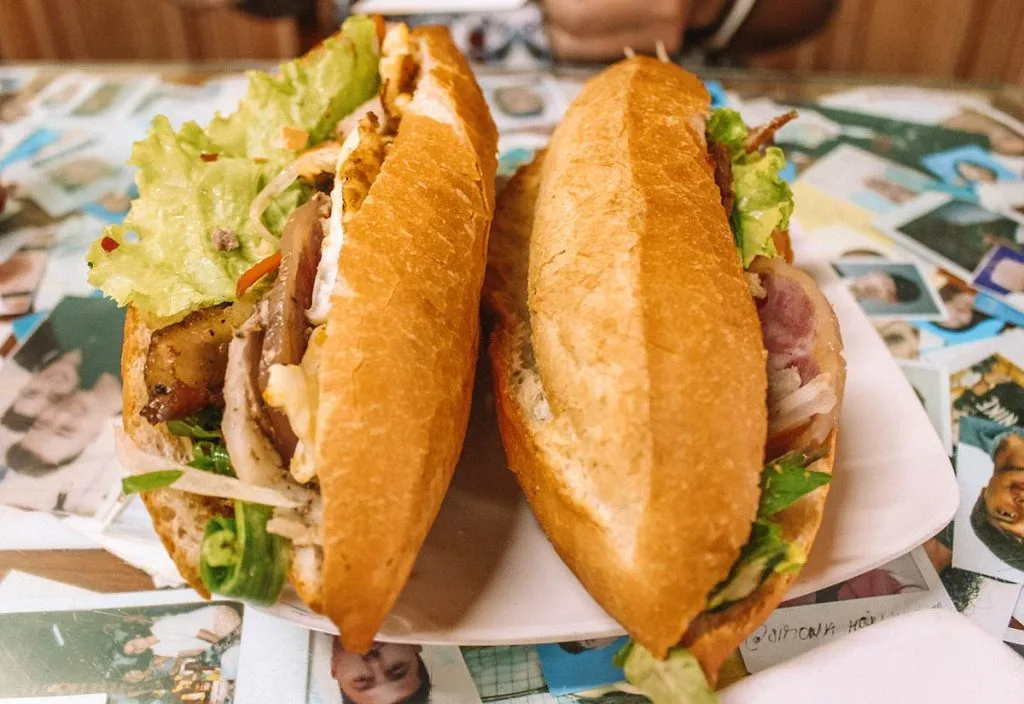
The Hoi An-style bánh mì stands out for its:
- Crispy, airy baguette (a legacy of French colonialism)
- Generous fillings of pâté, cold cuts, grilled pork, or chicken
- Abundance of fresh herbs (coriander, chili, cucumber)
- House-made mayonnaise and pickled vegetables
- Sweet, spicy, tangy, and savory flavors in every bite
It’s the perfect handheld meal—ideal for eating on the go while exploring the ancient town.
The Story of Bánh Mì Phượng
Located at 2B Phan Chu Trinh Street, Bánh Mì Phượng gained international fame after Anthony Bourdain featured it on No Reservations in 2012. Since then, it’s become a pilgrimage site for food lovers. Despite the long lines, the sandwich lives up to the hype—fresh, flavorful, and priced under VND 30,000 (~$1.30 USD).
Note: Gordon Ramsay later visited and called it “the best sandwich in the world.”
Other Top Bánh Mì Spots in Hoi An
- Bánh Mì 2.4 (26 Phan Chu Trinh St.): A local favorite with a loyal following.
- Bánh Mì Madam Khanh (same as Bánh Mì Phượng—often listed both ways)
- Minh Hiếu Bánh Mì (489 Hai Bà Trưng St.): Known for its crispy baguette and spicy kick.
Pro Tip: Go before 9:00 AM or after 3:00 PM to avoid the longest lines.
🍽️ Beyond the Big Three: Other Must-Try Hoi An Dishes
While cao lầu, white rose dumplings, and bánh mì are the stars, Hoi An’s food scene offers so much more:
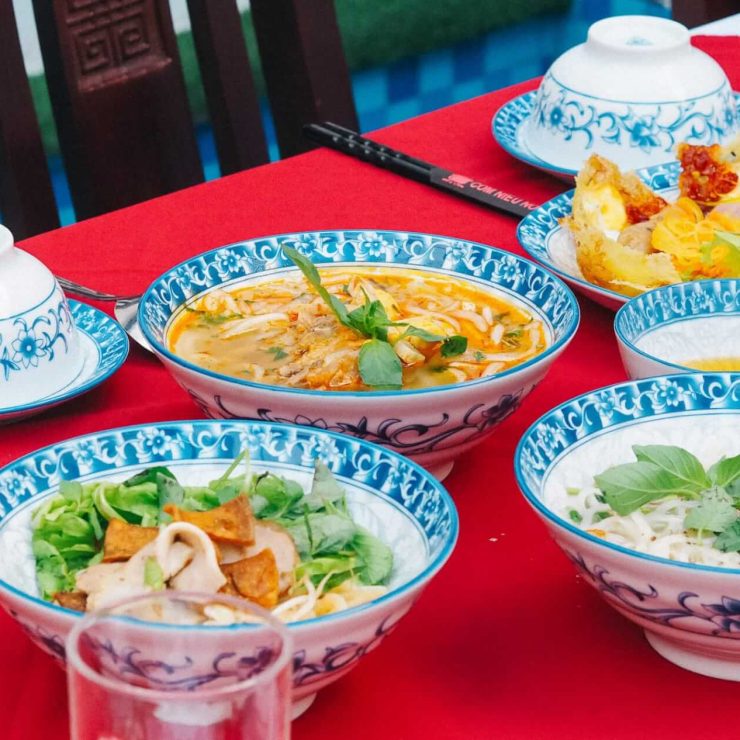
- Mì Quảng: A turmeric-infused noodle soup with shrimp, pork, and a shallow broth, topped with crushed peanuts and herbs.
- Com Ga (Chicken Rice): Hoi An’s version of this Vietnamese staple is tender, fragrant, and served with pickled vegetables.
- Bánh Xèo: Crispy Vietnamese pancakes filled with shrimp, pork, and bean sprouts—best eaten wrapped in lettuce.
- Hoa Mau (Sister’s Cake): A sweet, sticky rice cake layered with mung bean and coconut.
🗺️ How to Eat Like a Local in Hoi An
1. Start with a Food Tour
Join a guided Hoi An food tour (morning or night) to sample multiple dishes with a local expert. Many include market visits, cooking demos, and hidden street food gems.
2. Visit the Central Market (Chợ Hội An)
Explore the bustling market by day for fresh produce, spices, and snacks. Try cao lầu from a stall inside or grab rice paper and souvenirs.
3. Dine at Family-Run Eateries
Skip the tourist traps and eat where the locals do. Look for small, crowded spots with plastic stools and handwritten menus.
4. Try a Cooking Class
Learn to make cao lầu, white roses, or bánh mì in a hands-on class. Most include a morning market tour and end with a delicious meal you’ve prepared.
🚗 How to Get to Hoi An for a Food Adventure
Most visitors fly into Da Nang International Airport (DAD), just 30 km (40 minutes) away.
- Taxi or Grab: ~VND 300,000–400,000 (~$13–17 USD)
- Private Transfer: Book through your hotel for comfort
- Public Bus: Route 1 costs ~VND 25,000
Once in Hoi An, everything is walkable, especially the Ancient Town where most food spots are located.
📝 Final Thoughts: A Feast for the Senses
Hoi An is more than a visual wonder—it’s a culinary destination where every bite tells a story of history, craftsmanship, and community. From the earthy depth of cao lầu, the delicate beauty of white rose dumplings, to the bold flavors of bánh mì Hoi An, the town offers a gastronomic journey unlike any other in Vietnam.
So when you visit, don’t just admire the lanterns and ancient houses—taste the culture. Let your taste buds lead you through alleyways, markets, and family kitchens. Because in Hoi An, the most authentic souvenirs aren’t bought—they’re savored.
Plan Your Hoi An Food Adventure Today
📍 Hoi An Ancient Town, Quang Nam Province, Vietnam
🍜 Must-Try Trio: Cao Lầu, White Rose Dumplings, Bánh Mì
📸 Best Time to Visit: February–April (dry season, cool weather)
💰 Average Cost: $1–$3 USD per dish
👩🍳 Don’t Miss: A cooking class or food tour
Let the flavors of Hoi An linger long after you’ve left—because great food, like great memories, lasts a lifetime.
 English
 Chinese
 Japanese
 Korean
 Spanish
 German
 French
 Italian