

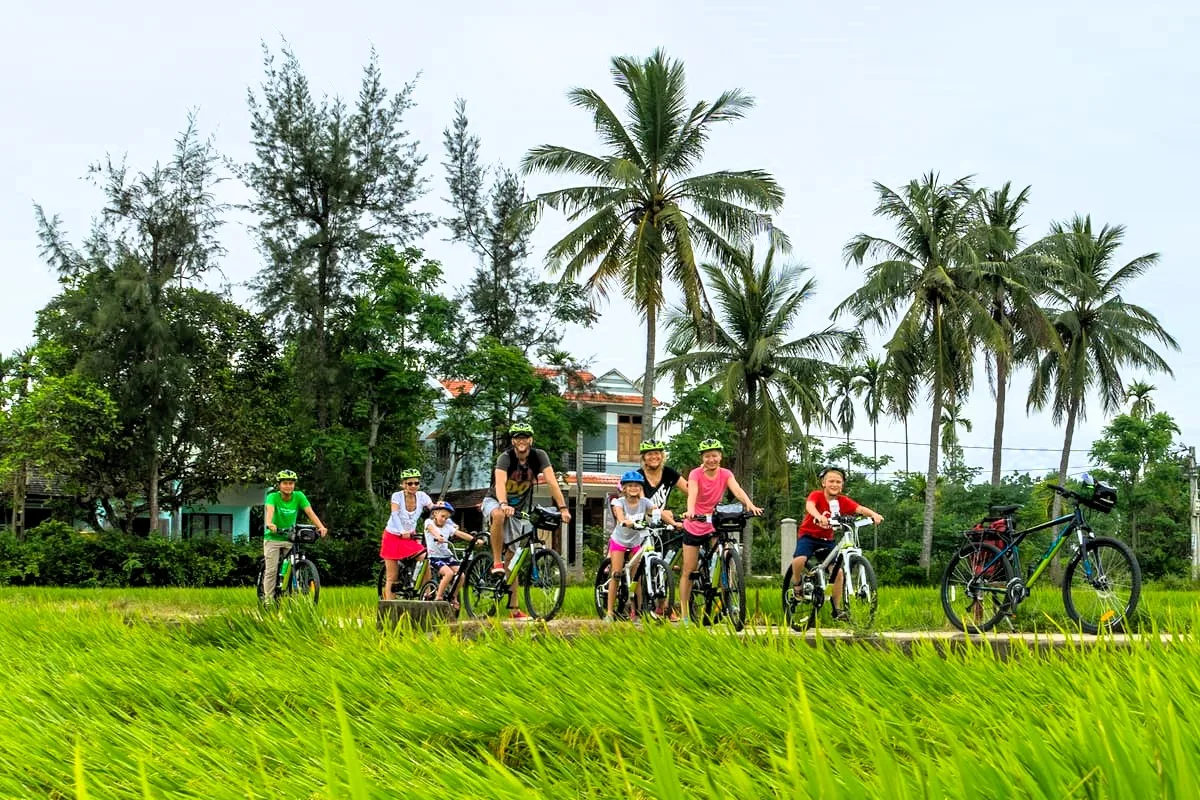
Hoi An, a UNESCO World Heritage Site on Vietnam’s central coast, is celebrated for its lantern-lit ancient town, vibrant culture, and delectable cuisine. But beyond the charming streets of the historic quarter lies a serene and breathtaking countryside, dotted with endless rice paddies, quaint villages, and winding rivers. For tourists seeking an active and immersive way to experience the authentic rural life of Vietnam, cycling through the rice paddy routes around Hoi An is an unforgettable adventure. Pedaling through emerald-green fields, past water buffalo, and alongside friendly locals offers a unique perspective on the region’s natural beauty and cultural heritage. In this detailed guide, we’ll explore the best rice paddy cycling routes around Hoi An, complete with tips, highlights, and everything you need to know to plan your two-wheeled journey through this picturesque landscape.
Why Cycle Through Hoi An’s Countryside?
Cycling in Hoi An’s countryside is more than just a physical activity—it’s a journey into the heart of rural Vietnam. The flat terrain, well-maintained paths, and minimal traffic make it an ideal destination for cyclists of all skill levels, from casual riders to seasoned adventurers. As you pedal through sprawling rice fields that shimmer under the sun, you’ll witness the timeless rhythm of agricultural life, where farmers tend to their crops using traditional methods passed down through generations. The experience also offers a refreshing contrast to the bustling ancient town, allowing you to connect with nature, breathe fresh air, and soak in panoramic views of the Thu Bon River and distant mountains. Whether you’re a solo traveler, a couple, or a family, cycling provides a sustainable and intimate way to explore Hoi An’s hidden gems.
Preparing for Your Cycling Adventure
Before embarking on your rice paddy ride, a little preparation goes a long way to ensure a smooth and enjoyable experience:
- Rent a Bicycle: Hoi An has numerous bike rental shops offering quality bicycles for as little as $1-2 USD per day. Opt for a sturdy bike with comfortable seating, and check the brakes and tires before setting off. Many hotels, including La Siesta Premium Hoi An, also provide complimentary or affordable bike rentals for guests.
- Gear Up: Wear lightweight, breathable clothing, a hat or helmet for sun protection, and comfortable shoes. Bring sunscreen, insect repellent, and plenty of water to stay hydrated under the tropical sun.
- Timing: Early morning or late afternoon rides are best to avoid the midday heat. The golden hour lighting during these times also makes for stunning photos of the rice fields.
- Guided vs. Self-Guided: If you’re new to the area, consider joining a guided cycling tour for expert navigation and cultural insights. Alternatively, download offline maps like Maps.me or carry a physical map for self-guided exploration.
- Respect Local Customs: Smile and wave at locals, ask permission before photographing people, and stick to designated paths to avoid damaging crops.
The Best Rice Paddy Cycling Routes Around Hoi An
Here are five of the most scenic and accessible cycling routes through Hoi An’s countryside, each offering a unique glimpse into rural life and natural beauty. Distances are approximate, and routes can be adjusted based on your energy level and interests.
1. Tra Que Vegetable Village Loop (6-8 km Round Trip)
Difficulty: Easy
Duration: 1-2 hours
Highlights: Organic farming, local interactions, peaceful rice fields
Just a short 3 km ride northeast of Hoi An’s ancient town, the Tra Que Vegetable Village Loop is perfect for beginners or those seeking a leisurely ride. This route takes you through lush rice paddies and into a small farming community renowned for its organic herbs and vegetables, which supply many of Hoi An’s restaurants. Start by heading toward Cua Dai Street, then follow the signs to Tra Que. As you cycle along narrow dirt paths, you’ll pass vibrant green fields and farmers working with traditional tools. Stop at the village to learn about sustainable farming practices, enjoy a refreshing herbal drink, or even join a hands-on gardening activity. The flat terrain and short distance make this route ideal for families or a quick morning escape.
Tip: Visit a local homestay or cafe in Tra Que for a taste of fresh, farm-to-table snacks like spring rolls made with just-picked herbs.
2. Cam Thanh Coconut Village Route (10-12 km Round Trip)
Difficulty: Easy to Moderate
Duration: 2-3 hours
Highlights: Coconut groves, water buffalo sightings, basket boat rides
For a ride that combines rice paddies with unique water landscapes, head to Cam Thanh Coconut Village, located about 5 km southeast of Hoi An. This route starts near the ancient town, guiding you along quiet country roads framed by rice fields that stretch toward the horizon. As you approach Cam Thanh, the scenery shifts to dense coconut groves and tranquil waterways. The village is famous for its nipa palm forests and traditional basket boats, which locals use for fishing. Cycle through the rice paddies en route, where you might spot water buffalo grazing or farmers tending to their crops. Once in Cam Thanh, take a break to try a basket boat ride or sip fresh coconut water straight from the source.
Tip: Combine this route with a visit to the nearby Cua Dai Beach for a refreshing dip after your ride.
3. Thanh Ha Pottery Village Trail (12-15 km Round Trip)
Difficulty: Moderate
Duration: 3-4 hours
Highlights: Traditional pottery, river views, expansive rice fields
This scenic route takes you west of Hoi An toward Thanh Ha Pottery Village, a historic community along the Thu Bon River known for its centuries-old ceramics. Begin your ride from the ancient town, crossing the river via the Cam Nam Bridge, and follow rural paths through vast rice paddies that glow emerald green during the growing season. The journey offers stunning views of the river and distant mountains, with plenty of opportunities to stop and photograph the idyllic countryside. Upon reaching Thanh Ha, explore workshops where artisans craft pottery using techniques unchanged for generations. The route involves some narrow paths and gentle inclines, making it slightly more challenging but still accessible for most riders.
Tip: Purchase a small pottery souvenir to support local craftsmen and carry a piece of Hoi An’s heritage home.
4. Kim Bong Carpentry Village Path (15-18 km Round Trip with Ferry)
Difficulty: Moderate
Duration: 3-5 hours
Highlights: Traditional woodworking, ferry ride, rural landscapes
For a more adventurous ride, cycle to Kim Bong Carpentry Village, located on Cam Kim Island across the Thu Bon River. Start by taking a short ferry ride (bicycles are welcome onboard) from Hoi An’s riverfront, then pedal through the island’s network of quiet roads and rice fields. This route offers a deeper dive into rural life, with wooden houses, friendly villagers, and expansive paddy fields as far as the eye can see. Kim Bong is famous for its woodworking, and you can watch craftsmen create intricate furniture and boats. The ferry ride adds a fun element to the journey, while the island’s peaceful ambiance provides a stark contrast to Hoi An’s tourist areas.
Tip: Check ferry schedules in advance, as they operate more frequently in the morning and late afternoon.
5. Duy Vinh Commune Exploration (20-25 km Round Trip)
Difficulty: Moderate to Challenging
Duration: 4-6 hours
Highlights: Remote villages, diverse scenery, authentic rural life
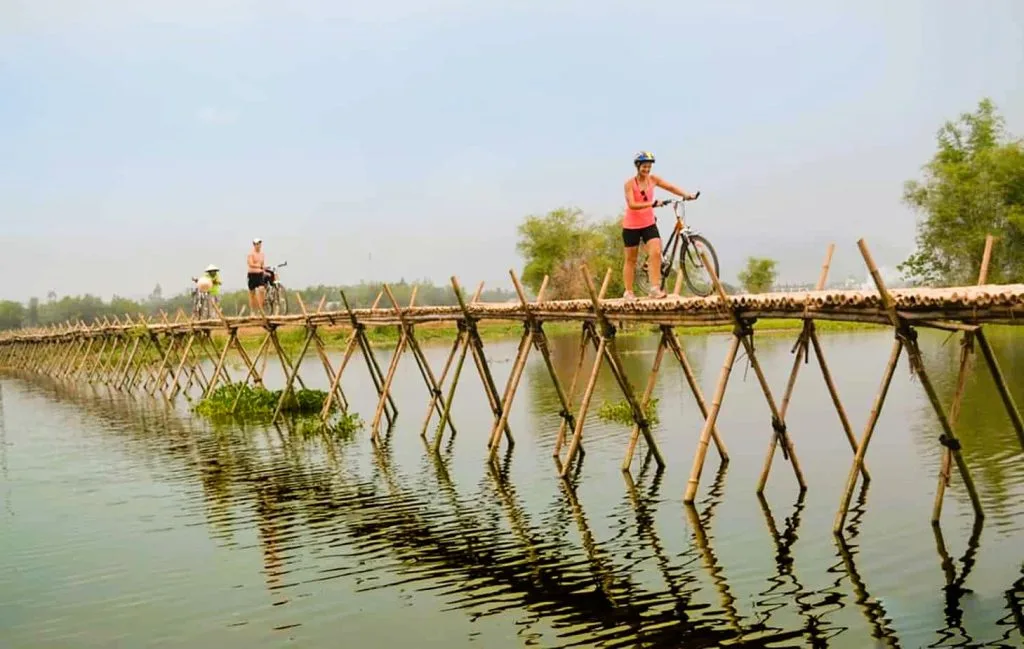
For experienced cyclists or those craving a longer ride, the route to Duy Vinh Commune offers an off-the-beaten-path experience. Located about 10-12 km north of Hoi An, this journey takes you through some of the region’s most pristine rice paddies, past small fishing villages, and along the banks of the Thu Bon River. Start near the ancient town and head toward Duy Xuyen District, following rural roads that wind through fields and over small bridges. The route is less touristy, giving you a raw, unfiltered look at Vietnamese countryside life. Duy Vinh is known for its traditional mat-weaving craft, and you can stop to observe locals at work. Be prepared for some uneven paths and longer distances, but the rewarding views and cultural encounters make it worthwhile.
Tip: Pack a light lunch or snacks, as dining options are limited in remote areas. A portable bike repair kit is also handy for longer rides.
Highlights of Cycling Through Hoi An’s Rice Paddies
- Scenic Beauty: The rice paddies around Hoi An transform with the seasons—lush green during planting, golden during harvest, and reflective during the rainy season. Each ride offers a new perspective on the landscape.
- Cultural Immersion: Interact with farmers, visit local markets, and learn about traditional crafts like pottery, weaving, and farming.
- Wildlife Spotting: Keep an eye out for water buffalo, egrets, and other native birds that inhabit the fields and waterways.
- Photography Opportunities: The countryside provides endless photo ops, from sunrise over the paddies to candid shots of rural life.
Tips for a Memorable Cycling Experience
- Pace Yourself: Take breaks to rest, hydrate, and enjoy the scenery. There’s no rush—savor the journey.
- Stay Safe: Stick to marked paths, watch for uneven terrain, and be cautious of dogs or livestock on rural roads.
- Join a Tour: If navigating solo seems daunting, companies like Hoi An Eco Tours and Grasshopper Adventures offer guided cycling trips with local experts.
- Seasonal Considerations: The best time to cycle is during the dry season (February to August) when paths are less muddy. Avoid heavy rain periods (October to December) for safety.
Cycling through the rice paddy routes around Hoi An is a soul-enriching experience that combines adventure, nature, and cultural discovery. Whether you choose the short and sweet Tra Que loop or the challenging Duy Vinh exploration, each route unveils the timeless beauty of Vietnam’s countryside, far from the tourist crowds. As you pedal past swaying rice stalks, under the shade of coconut palms, and through villages where smiles greet you at every turn, you’ll create memories that linger long after your trip ends. So, grab a bike, map out your route, and embark on a two-wheeled journey through Hoi An’s rural heart—a must-do for any traveler seeking an authentic slice of Vietnam.
 English
 Chinese
 Japanese
 Korean
 Spanish
 German
 French
 Italian