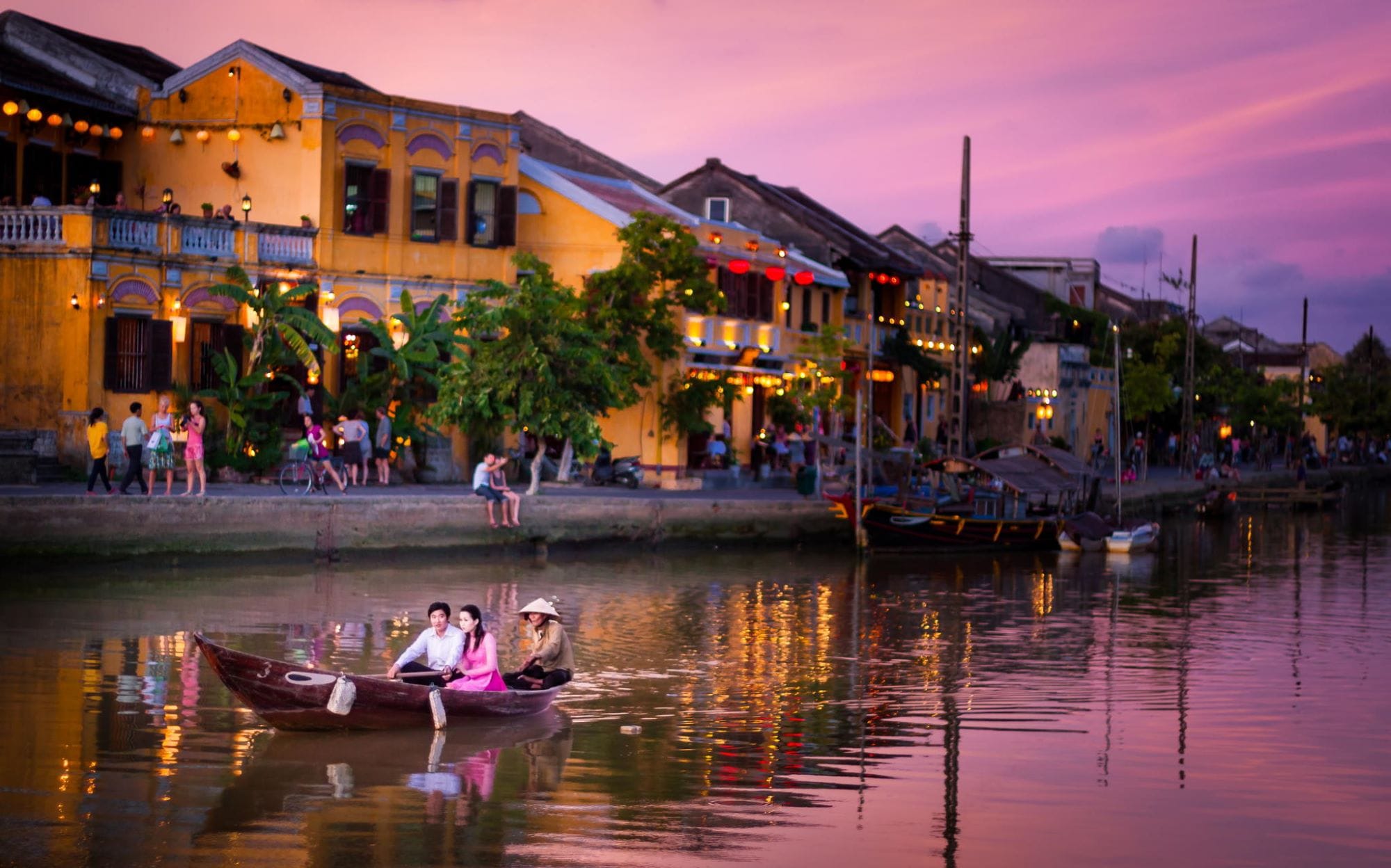
Nestled along the tranquil Thu Bồn River in Quang Nam Province, Hoi An Ancient Town is one of Southeast Asia’s most enchanting destinations—a living museum where centuries-old architecture, vibrant culture, and golden lantern light converge to create a magical atmosphere unlike any other. Designated as a UNESCO World Heritage Site in 1999, Hoi An has masterfully preserved its unique blend of Vietnamese, Chinese, Japanese, and French influences, offering travelers a rare glimpse into a bygone era while remaining vibrantly alive today.
For tourists exploring Central Vietnam, a visit to Hoi An is not just a stop on the itinerary—it’s an immersive journey through history, craftsmanship, and sensory delight. Whether you’re wandering its cobbled streets at dusk, watching the river glow with floating lotus lamps, or sipping coffee in a 200-year-old merchant house, Hoi An captivates the soul.
And if you’re staying in nearby cities like Da Nang or even Ho Chi Minh City, Hoi An is easily accessible and well worth a dedicated day—or better yet, an overnight stay to experience its legendary evening charm.
This comprehensive, SEO-friendly guide will take you deep into the heart of Hoi An Ancient Town, covering its history, must-see landmarks, cultural experiences, local cuisine, and practical tips to help you make the most of your visit.
🌏 Why Hoi An Was Named a UNESCO World Heritage Site
UNESCO recognized Hoi An Ancient Town for its “exceptional preservation of a Southeast Asian trading port that flourished from the 15th to the 19th century.” Unlike many historic sites that exist only in ruins or reconstructions, Hoi An remains a living, breathing town where ancient buildings are not just protected—they are lived in, worked in, and cherished.
Key reasons for its World Heritage status include:
- Intact architectural ensemble blending Vietnamese, Chinese, Japanese, and European styles
- Well-preserved wooden houses, assembly halls, pagodas, and marketplaces
- Cultural continuity—local traditions, festivals, and crafts have been passed down for generations
- Harmonious relationship between urban layout and the natural river environment
Hoi An was once a major international port, welcoming traders from China, India, Japan, Portugal, and the Netherlands. This rich multicultural past is still visible in its narrow alleys, tiled roofs, ornate shrines, and colorful facades, making it one of the best-preserved examples of a traditional Southeast Asian port town.
🏮 Must-See Attractions in Hoi An Ancient Town
1. Japanese Covered Bridge (Chùa Cầu)
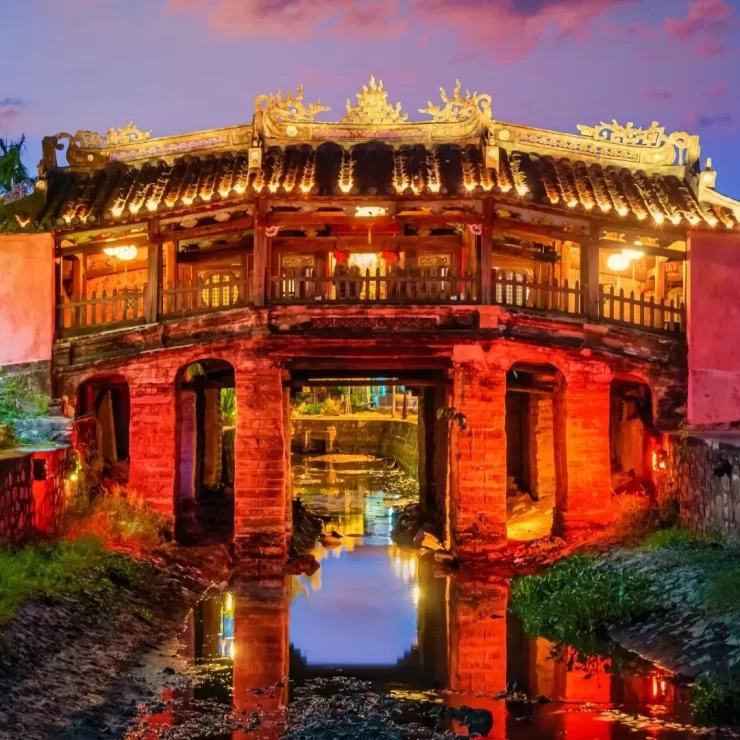
Perhaps the most iconic symbol of Hoi An, this 18th-century bridge was built by Japanese merchants and connects the old town to the Cham Island side. Adorned with a small temple dedicated to a local deity, the bridge is steeped in legend and spiritual significance. It’s especially photogenic at night when illuminated by lanterns.
Fun Fact: The bridge was originally built to suppress a mythical monster said to cause floods.
2. Assembly Hall of the Fujian Chinese Congregation
A stunning example of Chinese-Vietnamese architecture, this 19th-century hall features intricate carvings, dragon motifs, and a serene courtyard. It served as a gathering place for Fujianese immigrants and remains a center of cultural and religious activity.
3. Tan Ky Old House
One of the oldest and most well-preserved merchant houses in Hoi An, Tan Ky dates back over 200 years. Walking through its wooden corridors, you’ll see ancestral altars, antique furniture, and hidden passageways—each telling a story of family, trade, and tradition.
4. Quan Cong Temple
Dedicated to Guan Yu, the Chinese god of loyalty and war, this temple is a peaceful retreat filled with incense, red lanterns, and intricate altars. It’s a great place to observe local worship and reflect on the spiritual blend of Confucianism, Taoism, and Buddhism.
5. Central Market (Chợ Hội An)
By day, this bustling market is a feast for the senses—filled with fresh produce, spices, textiles, and local snacks. By evening, it transforms into a food lover’s paradise, with vendors serving cao lầu, bánh mì, and sugarcane juice.
6. Phung Hung Old House
Another beautifully preserved merchant home, Phung Hung showcases traditional Hoi An architecture with its yellow-washed walls, dark wood beams, and rooftop sculptures. It also houses a small collection of antiques and historical artifacts.
🌙 The Magic of Lantern-Lit Evenings
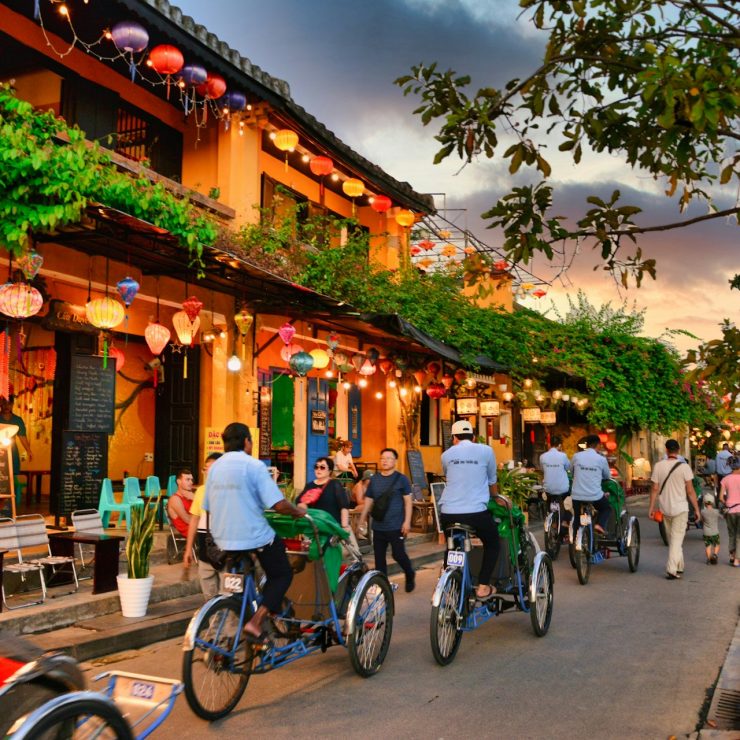
No image of Hoi An is complete without its thousands of glowing silk lanterns—red, yellow, green, and blue—hanging from rooftops, floating on the river, and swaying in the evening breeze. At 6:00 PM every night, the town dims its electric lights and lets the lanterns take over, creating a dreamlike ambiance that has earned Hoi An the nickname “The Lantern City.”
Don’t Miss:
- Lantern Floating Ceremony: Buy a lotus-shaped candle lantern (VND 20,000–50,000) and release it onto the Thu Bồn River to make a wish.
- Night Photography Walks: The reflections on the water and the warm glow of the streets make Hoi An one of Asia’s most photogenic towns.
- Evening Street Performances: Traditional music, dance, and puppetry often take place in the central squares.
Pro Tip: Visit on the 14th day of the lunar month when the full moon festival is held, and the entire town is lit by candlelight—no electricity allowed!
🧵 Cultural Experiences & Hands-On Activities
Hoi An isn’t just a place to observe—it’s a place to participate. The town is famous for its tailor shops, craft villages, and culinary traditions, offering immersive experiences for curious travelers.
1. Custom Tailor-Made Clothing
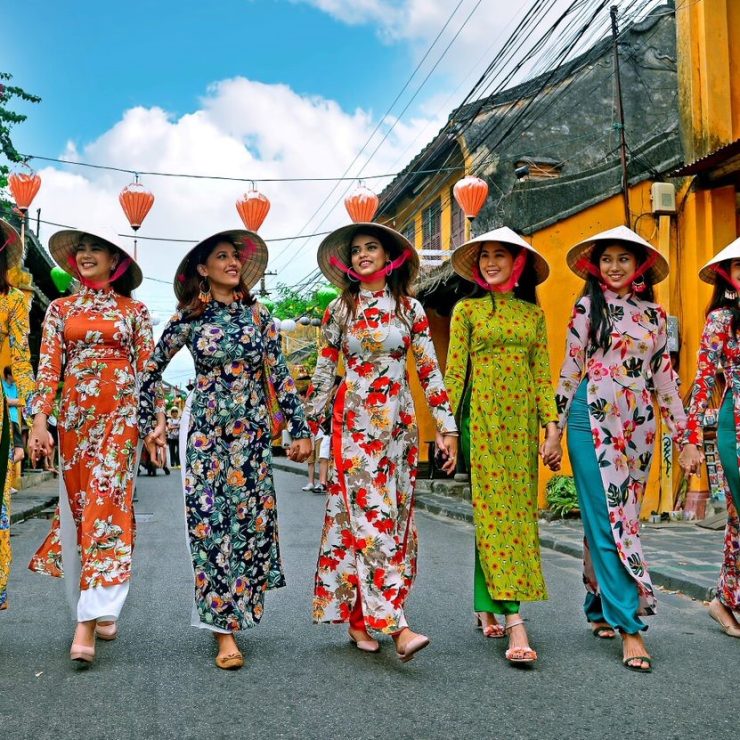
Hoi An is renowned for its high-quality, affordable tailoring. Over 200 shops offer custom suits, dresses, ao dai (traditional Vietnamese attire), and leather goods, with fittings in 24–48 hours. Popular shops include Yaly Couture, A Dong Silk, and Bebe Fashion.
Insider Tip: Always get measured in person and bring reference photos for the best results.
2. Cooking Classes
Learn to make authentic Vietnamese dishes like cao lầu, white rose dumplings, and banh xeo in a hands-on class. Most include a morning market tour, where you’ll shop for fresh ingredients alongside your chef.
3. Lantern-Making Workshops
Create your own silk lantern at a family-run workshop. It’s a fun, colorful activity perfect for families and couples.
4. Basket Boat Ride to Coconut Forest
Just outside town, take a wobbly but fun ride through a palm-fringed waterway in a circular basket boat—a unique way to experience the rural landscape.
🍜 What to Eat in Hoi An: A Culinary Journey
Hoi An’s food is as rich as its history, blending Vietnamese flavors with Chinese and French influences. The town is a foodie paradise, and many dishes originated here.
Must-Try Dishes:
- Cao Lầu: Hoi An’s signature noodle dish, made with thick rice noodles, pork, and crispy croutons, using water from the ancient Ba Le well.
- Bánh Mì Phượng: Made famous by Anthony Bourdain, this legendary sandwich is crispy, juicy, and bursting with flavor.
- White Rose Dumplings (Bánh Bao Bánh Vạc): Delicate shrimp dumplings shaped like roses—best enjoyed at Madame Khanh’s tiny eatery.
- Mì Quảng: A turmeric-infused noodle soup with shrimp, pork, and herbs, served in a shallow broth.
- Com Ga (Chicken Rice): Hoi An’s version of this Vietnamese staple is tender, fragrant, and perfectly seasoned.
Where to Eat: Try Morning Glory Restaurant, Banh Mi 2.4, or Noble Eat for a modern twist on classics.
🚗 How to Get to Hoi An Ancient Town
Hoi An has no airport, so most visitors arrive via Da Nang International Airport (DAD), just 30 km (40 minutes) away.
From Da Nang:
- Taxi/Grab: ~VND 300,000–400,000 one way (~$13–17 USD)
- Private Transfer: Book through your hotel for convenience
- Public Bus: Route 1 costs ~VND 25,000 but takes longer
From Ho Chi Minh City:
- Flight to Da Nang (1-hour flight), then transfer to Hoi An
- Overnight Train or Bus: ~8–10 hours, scenic but tiring
Pro Tip:
Stay within the Ancient Town (look for heritage guesthouses) to fully experience the evening magic and avoid transport hassles.
🗓️ Best Time to Visit Hoi An
- Best Weather: February to April – dry, sunny, and mild
- Festival Season: Lunar New Year (Tet) and Full Moon Lantern Festival (14th of each lunar month)
- Avoid: October to December – rainy season, with potential flooding
🛎️ Where to Stay: Authentic vs. Modern
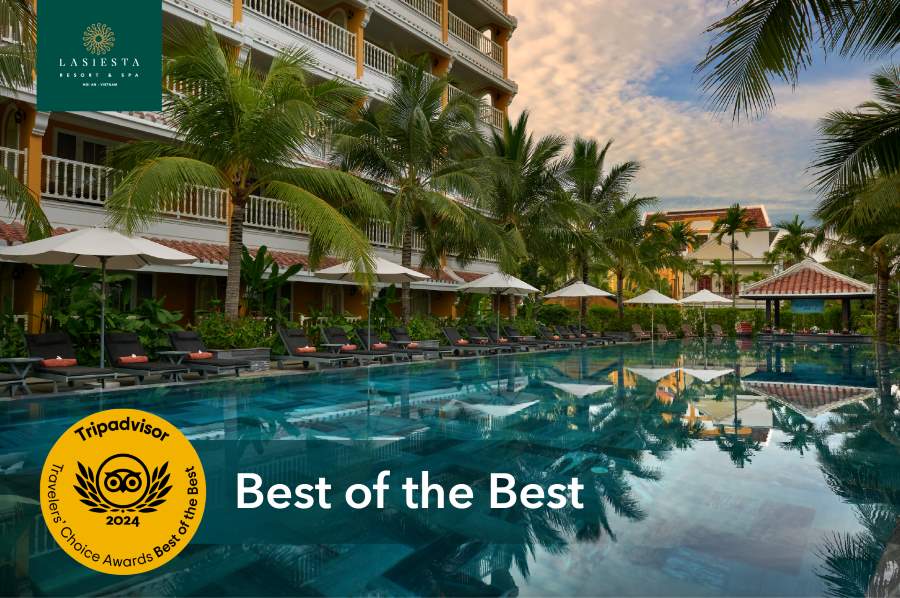
While luxury resorts like La Siesta Hoi An Resort & Spa offer comfort and amenities just outside the center, staying within the Ancient Town gives you exclusive access to:
- Quiet streets after tourists leave
- Lantern-lit evenings without crowds
- Historic guesthouses with traditional architecture
Look for boutique hotels with courtyard gardens, river views, and heritage design.
📸 Photography Tips for Hoi An
- Golden Hour (5:30–6:30 PM): Capture the warm light on yellow walls and lanterns.
- Night Shots: Use a tripod for long exposures of the river and bridges.
- Candid Moments: Photograph locals in traditional dress, artisans at work, or monks at temples.
- Respect Privacy: Always ask before photographing people or homes.
🌿 Final Thoughts: Why Hoi An Stays With You
Hoi An Ancient Town is more than a destination—it’s an experience that lingers in your memory. It’s the scent of jasmine in the air, the sound of a distant đàn tranh (zither), the feel of silk under your fingers, and the sight of a thousand lanterns drifting down the river like stars.
It’s a place where time slows down, where history isn’t behind glass but lived in every alleyway and smile. Whether you come for the culture, the food, the photos, or the peace, Hoi An offers a rare kind of beauty—one that feels both ancient and alive.
Plan Your Visit to Hoi An Ancient Town Today
📍 Hội An Ancient Town, Quảng Nam Province, Vietnam
✈️ Nearest Airport: Da Nang International (DAD)
📅 Open 24/7 – Entry fee required for foreign tourists (VND 120,000 ~ $5 USD, valid for 1–4 days)
🌐 Recommended Stay: 1–3 nights
From lantern-lit nights to timeless traditions, Hoi An invites you to step into a living heritage—and leave with a heart full of wonder.

 English
 Chinese
 Japanese
 Korean
 Spanish
 German
 French
 Italian